
Mold remediation in Miami starts behind the wall.
Call us first and we'll look at it before anyone spends money on testing. Where a project needs a formal assessment we coordinate an independent licensed assessor, then do the work to the protocol they write, so the party deciding the job is finished is never the party being paid to finish it.
Here, mold is a climate problem before it's a plumbing problem
Average relative humidity in Miami sits near 74% year round. Indoors, anything above 60% is enough for growth on drywall paper, wood, and dust, no leak required. Add an oversized A/C system that short-cycles without dehumidifying, and a building can grow mold with no leak at all.
Removal alone is half a job. If the moisture source stays, growth returns in weeks. Every mold job we do includes finding and correcting what made the space hospitable.
Odor usually precedes visible growth. It means active colonization somewhere in the air path, commonly a wall cavity, ductwork or under flooring.
Congestion, headaches or irritated eyes that clear away from the property and return when you come back is the pattern worth testing for.
Cosmetic symptoms of a wet assembly. What's visible on the surface is rarely the extent of it.
A leak fixed but not dried to standard is the most common origin of the mold jobs we're called to a year later.
Seal it off, filter the air, remove, then check
You call us first
A visual and moisture inspection to work out whether this is a small, straightforward cleanup or something that needs a formal assessment. We tell you which, before anyone spends money.
Independent assessment
Where the situation warrants it, we coordinate a licensed Florida mold assessor who works independently of us. They sample, they write the remediation protocol, and their report belongs to you. No referral compensation passes in either direction.
Sealing the area off
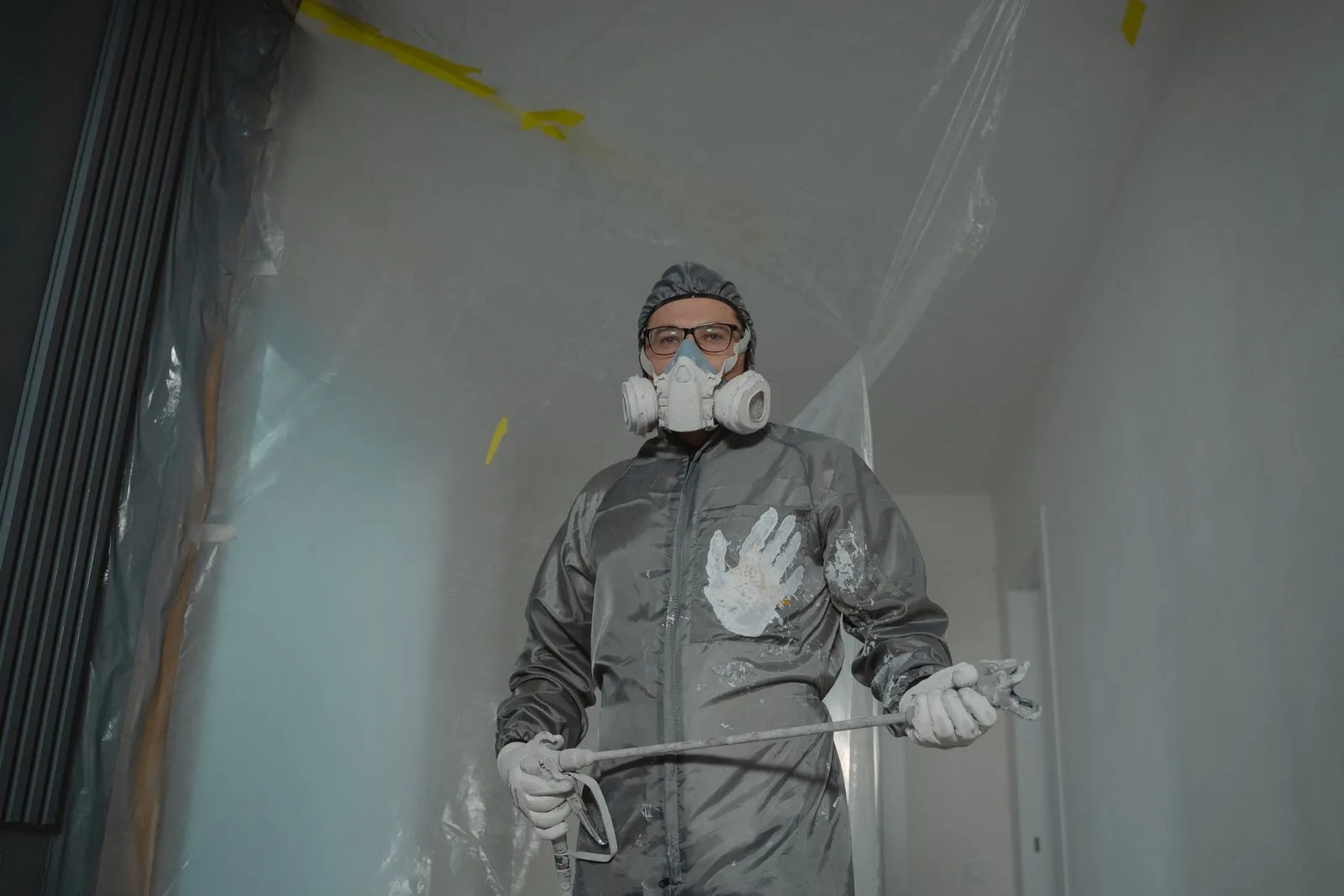
The work area is sealed behind heavy plastic sheeting with a zippered doorway, its air is pulled out of the building rather than into the next room, and the air conditioning serving it is shut down. Nothing inside it reaches the rest of the property.
Removal & HEPA cleaning
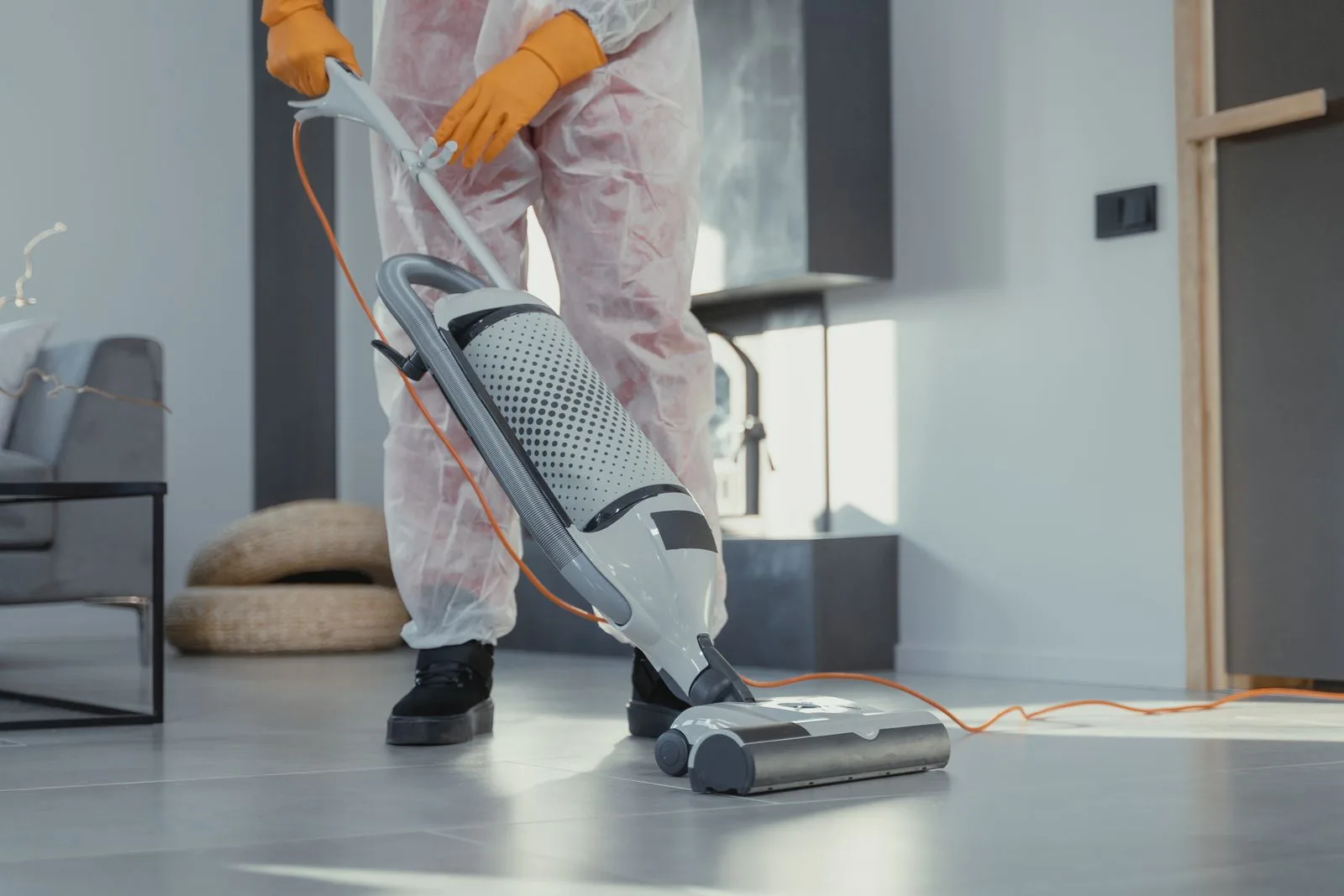
Anything porous that the growth reached is double-bagged and carried out. Hard surfaces are HEPA vacuumed, wiped, and treated with an EPA-registered product rated for the job.
Source correction
The leak, the condensation path or the humidity load gets fixed. Otherwise you're paying us to do this again next season.
Verification and handover
We run our own quality check, then the independent assessor carries out the final check their protocol requires. The room stays sealed until that's done.
The file
A repairable surface, the assessor's verification documentation and our complete record of the work. Your contractor gets the scope so nothing is missed on the rebuild.
Call DrySite first. We'll tell you who needs to come next.
Most people calling about mold don't know whether they need a tester, a remediator or a plumber. Start with us: our initial visual screen is free, and from there we coordinate the sequence so you aren't managing three trades yourself. Florida licenses mold assessment and mold remediation separately, and the same company can't do both on one project, so that side of it goes to an independent assessor. How their work is scheduled and invoiced is confirmed with you before it happens.
And if the honest answer is a small patch of surface growth and a humidity problem, we'll say so rather than writing up a sealed-room job for it.
Book a free visual screen →Mold questions
Does homeowners insurance cover mold in Florida?
Sometimes, and often with a limit written into the policy. Coverage generally depends on whether the mold resulted from a covered sudden loss and was reported promptly, while mold from long-term humidity or deferred maintenance is commonly excluded. Your policy language decides it, so read the mold section or ask your carrier. We document the origin carefully because that evidence is what the determination rests on.
Can I just clean it with bleach?
On a small patch of hard, non-porous surface, tile grout, a sink cabinet, cleaning is reasonable. On drywall or wood it isn't: bleach is mostly water, it doesn't penetrate porous material, and it adds moisture to the very material feeding the growth. EPA guidance points to professional handling beyond roughly ten square feet, and anything inside a wall or floor needs the room sealed off regardless of size.
How long does the work take?
A single bathroom or closet is two to three days including clearance. A whole-floor job, or one that involves the air conditioning system, runs one to two weeks. Clearance lab turnaround adds 24 to 48 hours, and we won't open the sealed area early to make a schedule look better.
Is it safe to stay in the property?
In most cases yes, because the work area is sealed and its air is pulled out of the building rather than into the rest of the house. We advise relocating when the wet area is large, when the air conditioning system is involved, or when someone in the household has a weakened immune system, has asthma, or is elderly or very young.
Call before you open the wall.
Cutting into growth before the room is sealed off spreads it. We'll tell you what's safe to touch and what isn't.