
Water damage restoration on Miami Beach, causeway time included.
A barrier island with a high water table, salt air and a lot of buildings that were plumbed before 1960.
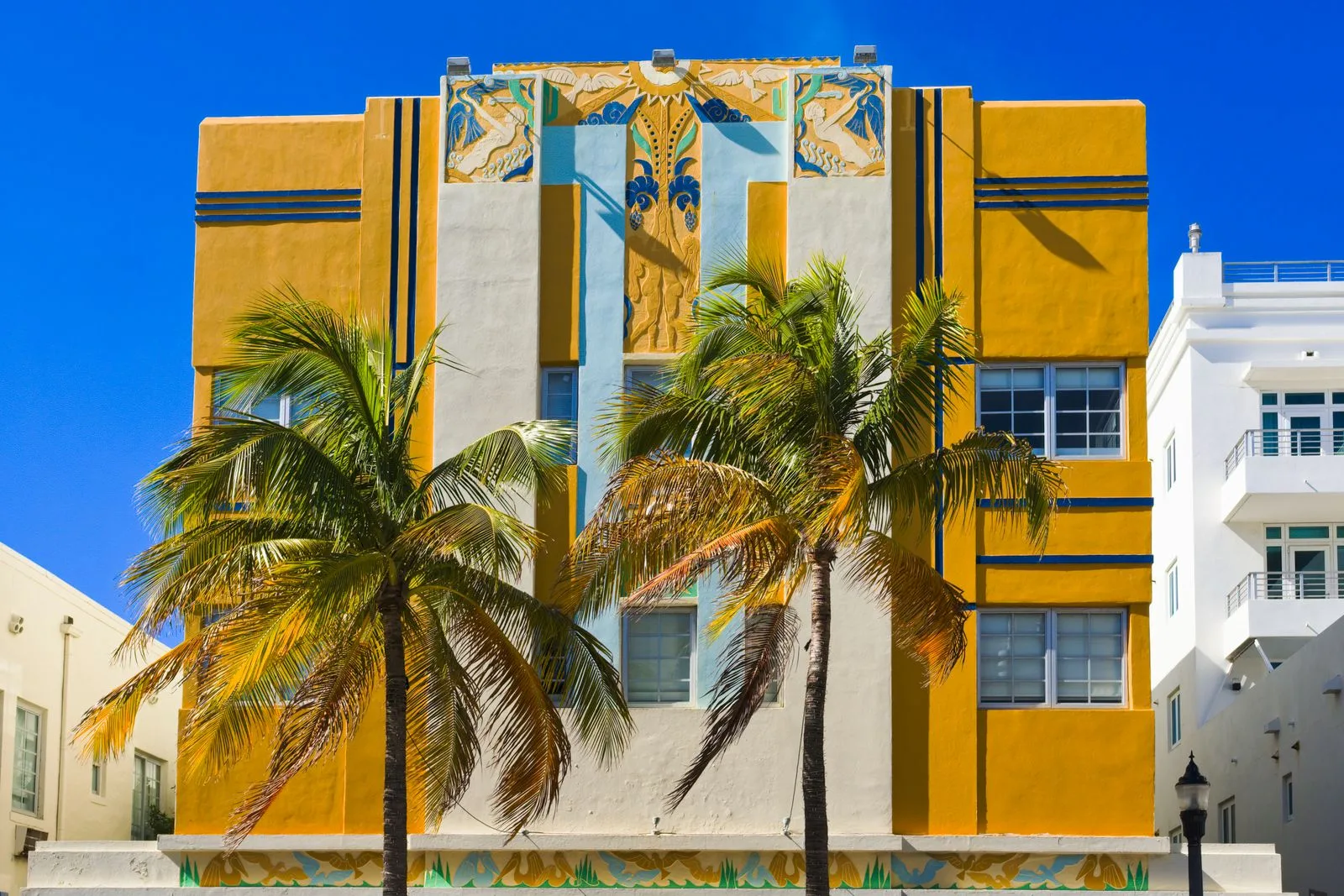
What we see in Miami Beach
Miami Beach combines the two hardest conditions for drying: constant high humidity off the water, and older buildings with tight construction and limited access. It also means association rules matter on almost every job.
Galvanized supply and cast iron waste from the 1930s and 40s. Pinhole failures inside plaster walls are common and slow to show.
Ground-floor units and garages take water during seasonal high tides. That's groundwater, and it's handled as contaminated water: what's porous in its path comes out rather than drying in place.
Corroded window frames and failed seals let wind-driven rain into wall cavities during storms.
Services available in Miami Beach
South Beach up to Normandy Isle
South Beach · Mid-Beach · North Beach · Sunset Harbour · Venetian Islands · Star Island · Normandy Isle · Bayshore
Water spreading in Miami Beach right now?
Call and we'll tell you what the bridge adds to the trip before anything else.
Questions from Miami Beach customers
How much does the causeway add?
Fifteen to forty minutes depending on the hour and the bridge. We quote the real number on the call rather than the one that sounds better.
Is salt air actually a factor?
In equipment and in materials. Coastal buildings corrode at fixings and inside wall cavities first, so we open the assembly rather than reading the surface.
The building is pre-1960. What should I expect?
Galvanized supply, cast iron waste, plaster walls, and no vapor barrier. Drying runs longer, and the daily readings matter more.
Salt air, older stacks, and a causeway between us.
We'll tell you honestly what the bridge adds to the trip before you decide who to call.